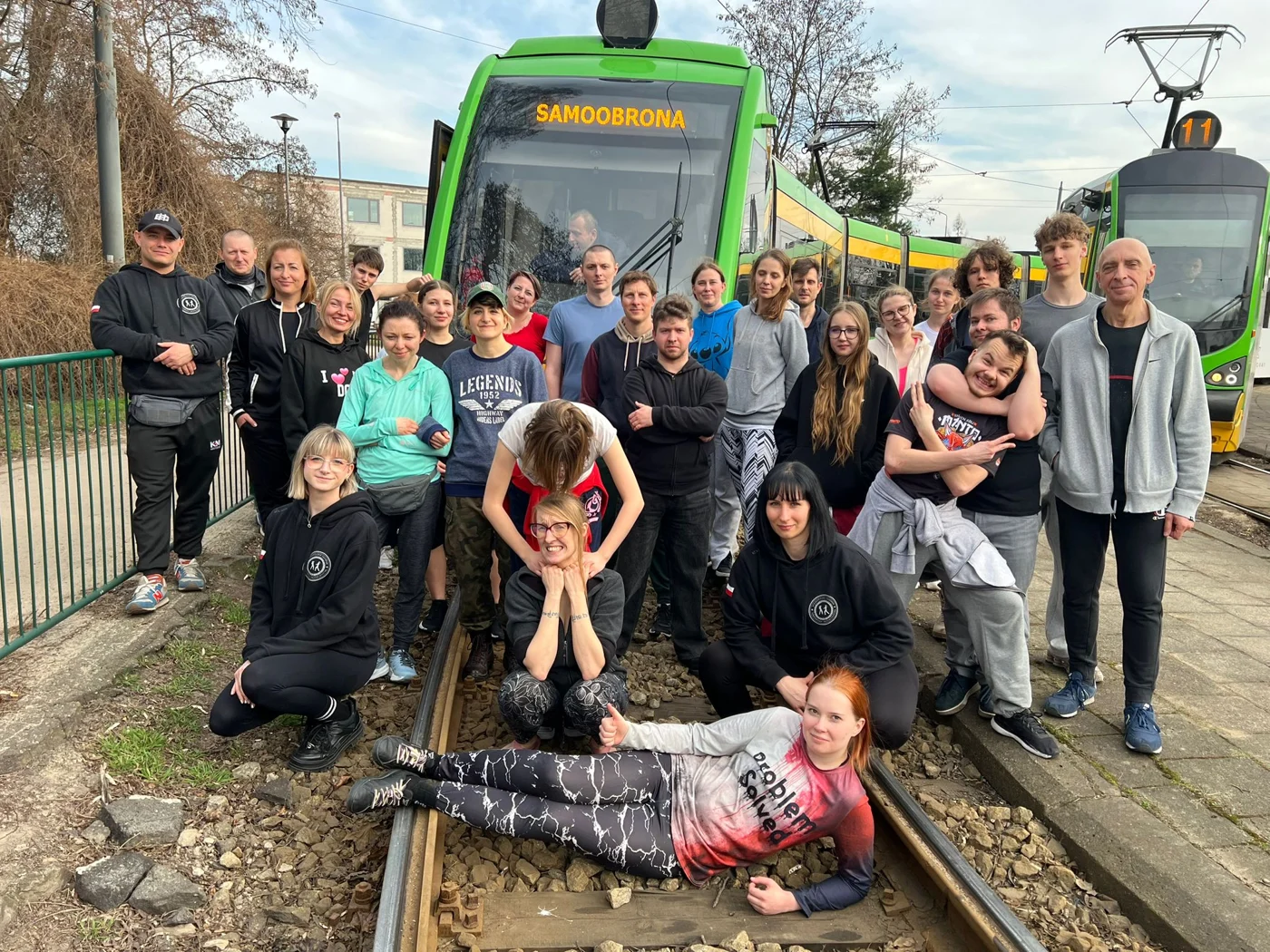
A workplace safety workshop is most useful when it reflects how a company operates. A reception team, an office visiting clients and staff working alone do not face identical situations. A standard lecture for everybody is unlikely to answer the questions each group brings to the room.
Begin with work situations
Before designing the workshop, ask about the type of contact with customers, operating hours, access to support and the way incidents are reported. The company can anonymise examples that employees recognise. The objective is to find where communication, room layout or escalation procedures need practice, without turning training into a discussion of individual employees.
Choose a few compatible modules
A customer-facing team might practise noticing early signs of escalation, using short language and obtaining help from a colleague. Staff travelling between sites may work through transport, entry into a location and check-ins. A wider safety day can add basic first aid or a women’s personal safety session when these fit the audience and time. Each module needs a clear purpose.
Make practice accessible
Use brief demonstrations followed by controlled exercises in pairs or small groups. Explain what participants may decline and provide observer roles. Physical contact is optional where the learning goal can be met through communication and positioning. After each scenario, ask what people noticed, who was called and how the organisation’s existing procedure would apply.
Connect training to company systems
A single workshop cannot remove the risks of aggression or replace employer procedures. Managers should take conclusions back to their own risk assessment, reporting and support systems. In its guidance on third-party violence, EU-OSHA stresses assessing risks across occupations, locations and work practices. Training works better when staff know what action follows a reported incident.
Specify the brief and outcome
When enquiring, include sector, number of people, languages, roles, relevant scenarios, room and preferred duration. Agree whether the outcome is an introductory workshop, a safety-day station or a tailored session for a higher-exposure role. The instructor can then propose exercises, practical limits and an individual quote without presenting a generic course as a complete solution.
What to do after the session
End the workshop with a short list of observations for the appropriate manager or safety lead. The instructor can point out where participants were unsure about contacting support; only the company can decide and implement its procedures. A later check-in can ask whether the suggested changes are in place. This is more useful than measuring success solely by how much people enjoyed the exercises.
- Name the owner of each follow-up action.
- Update contact and incident-reporting instructions where needed.
- Share a short summary with absent team members.
- Review whether staff can apply the procedure in their own work area.
The EU-OSHA guidance provides background on third-party violence at work: multi-sectoral guidance ↗